
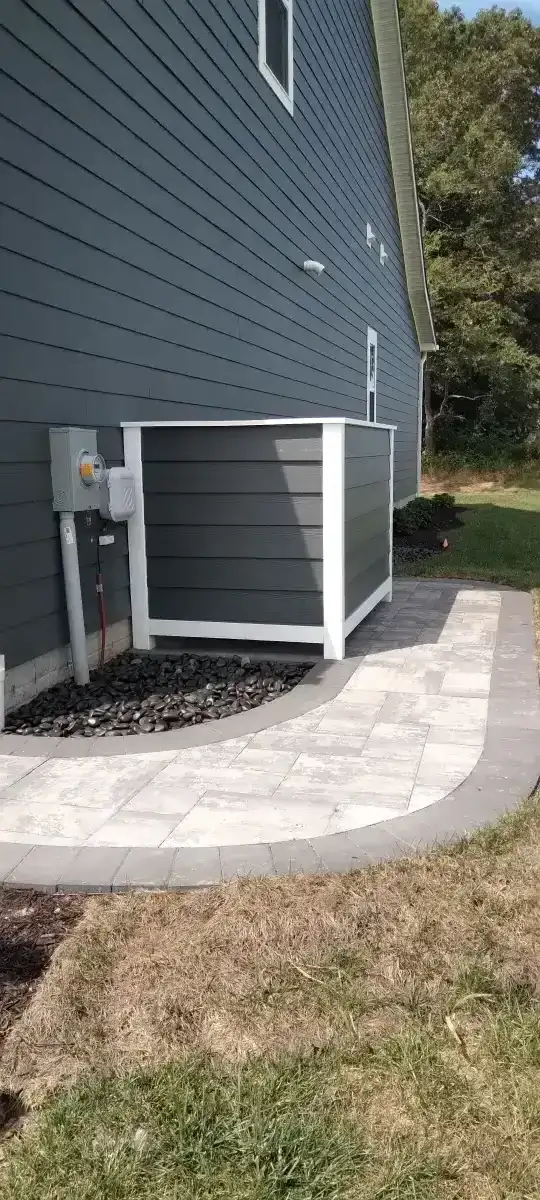
What Is Hardscaping?
Hardscaping refers to the non-living, structural elements of an outdoor space — the surfaces you walk on, sit on, and build around. It includes patios, walkways, retaining walls, driveways, steps, outdoor kitchens, fire pits, and any other built structure made from stone, pavers, concrete, or masonry. Hardscaping is the foundation that defines the shape, flow, and function of your outdoor environment.
The difference between hardscaping and landscaping is straightforward: hardscaping is the built environment (hard materials), while landscaping is the living environment (plants, trees, lawn, mulch). A well-designed outdoor space balances both, but hardscaping comes first because it establishes the structure that everything else is built around.
At Just Imagine Landscaping & Hardscapes (known locally as Just Imagine Hardscapes & Pools), hardscaping is our core specialization. With over 20 years of combined experience and more than 100 completed projects across Sussex County, we design and build hardscape environments that work with your property's natural conditions — not against them. Every project is handled in-house from excavation through finishing, with no subcontractors involved.

Our Hardscape Services
From intimate patios to complete outdoor environments, we handle every type of hardscape construction for Sussex County homeowners.
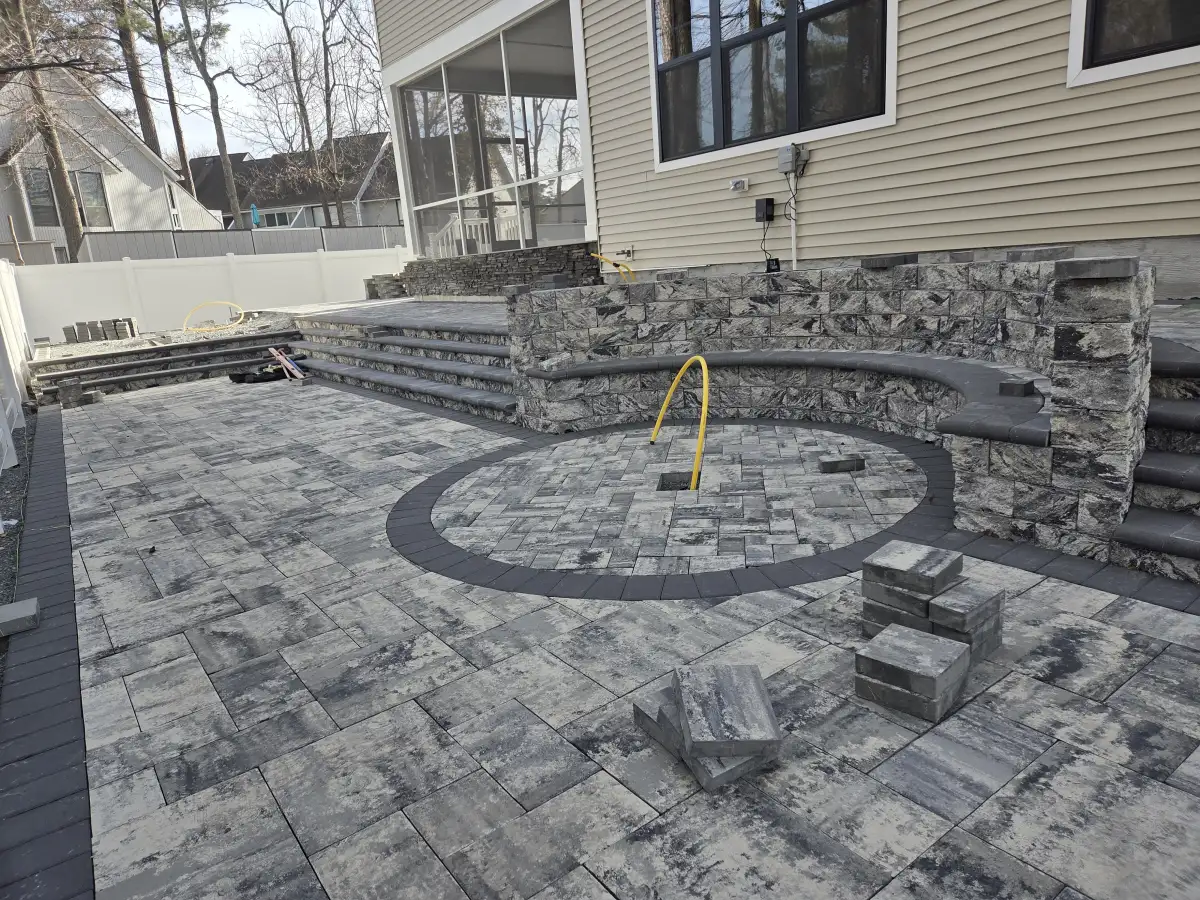

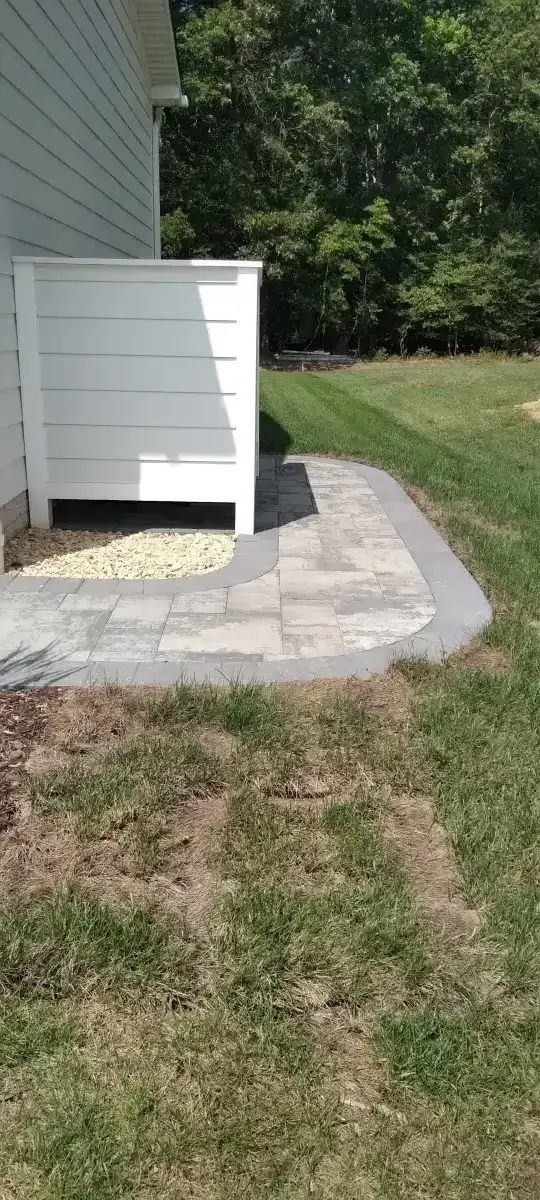

Walkways & Steps
Paver and natural stone walkways that connect your home to outdoor living areas. Front entry paths, garden walkways, and pool deck connections built with proper pitch for drainage.

Driveways
Paver and stone driveways that handle vehicle traffic while adding curb appeal. Properly engineered base layers, edge restraints, and joint sand for long-term stability.
Hardscape Materials We Use
The materials you choose determine how your hardscape looks, performs, and ages over time. We work with a range of materials suited for Sussex County's coastal climate and sandy soil conditions, and we help you select the right option based on your project goals, aesthetic preferences, and budget.
- Concrete pavers — manufactured for consistent dimensions and color, available in dozens of shapes and patterns. Highly durable, cost-effective, and easy to replace individual units if needed. The most popular choice for patios and walkways in our area.
- Brick pavers — clay-fired bricks that develop character over time. Traditional look with excellent durability. Colors are fired in, not surface-applied, so they do not fade.
- Natural stone — flagstone, bluestone, travertine, and granite. Each piece is unique, providing an organic, high-end appearance. Higher material cost but distinctive results.
- Porcelain pavers — non-porous, stain-resistant, and available in textures that mimic natural stone or wood. Excellent for pool decks because they stay cool underfoot and resist salt and chlorine.
- Segmental retaining wall block — engineered concrete blocks designed for structural walls. Available in various textures and colors, with built-in interlocking systems for stability.
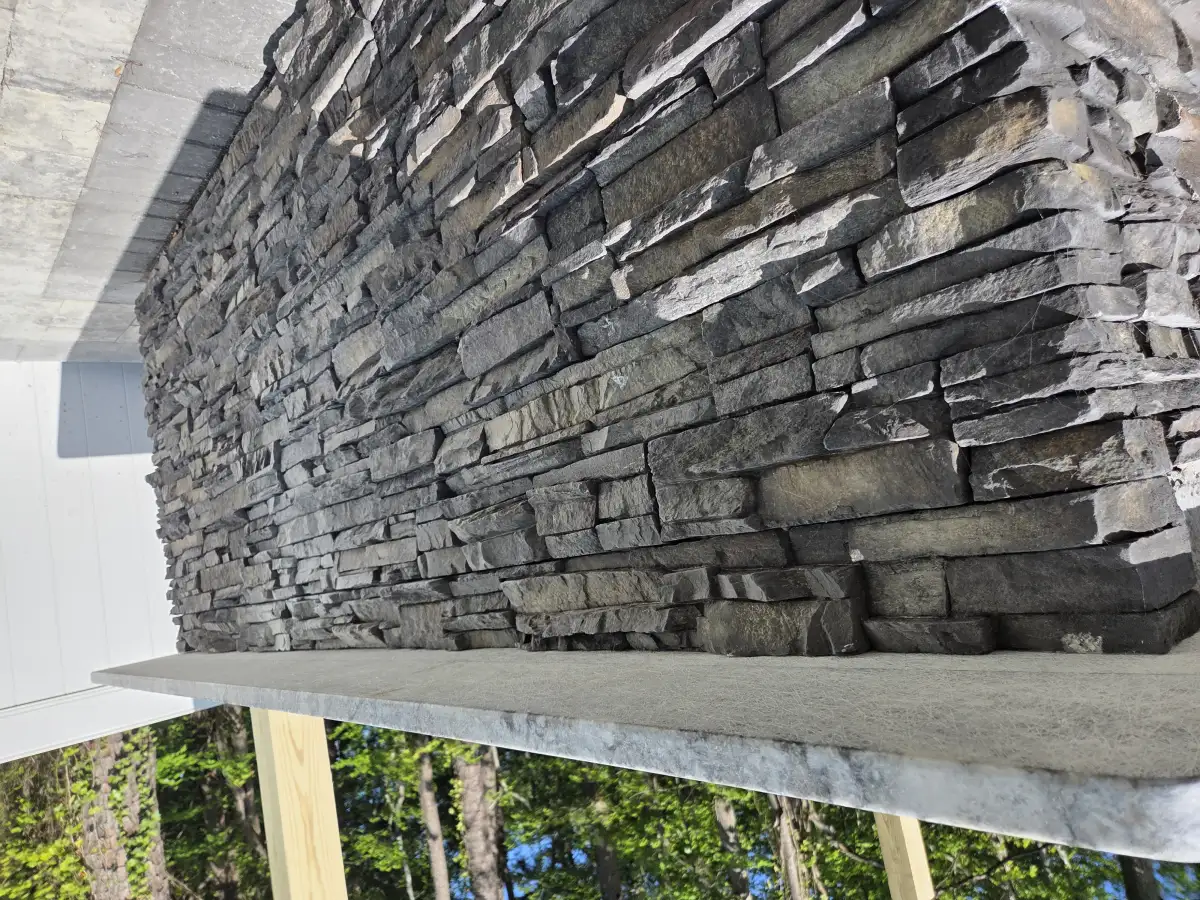
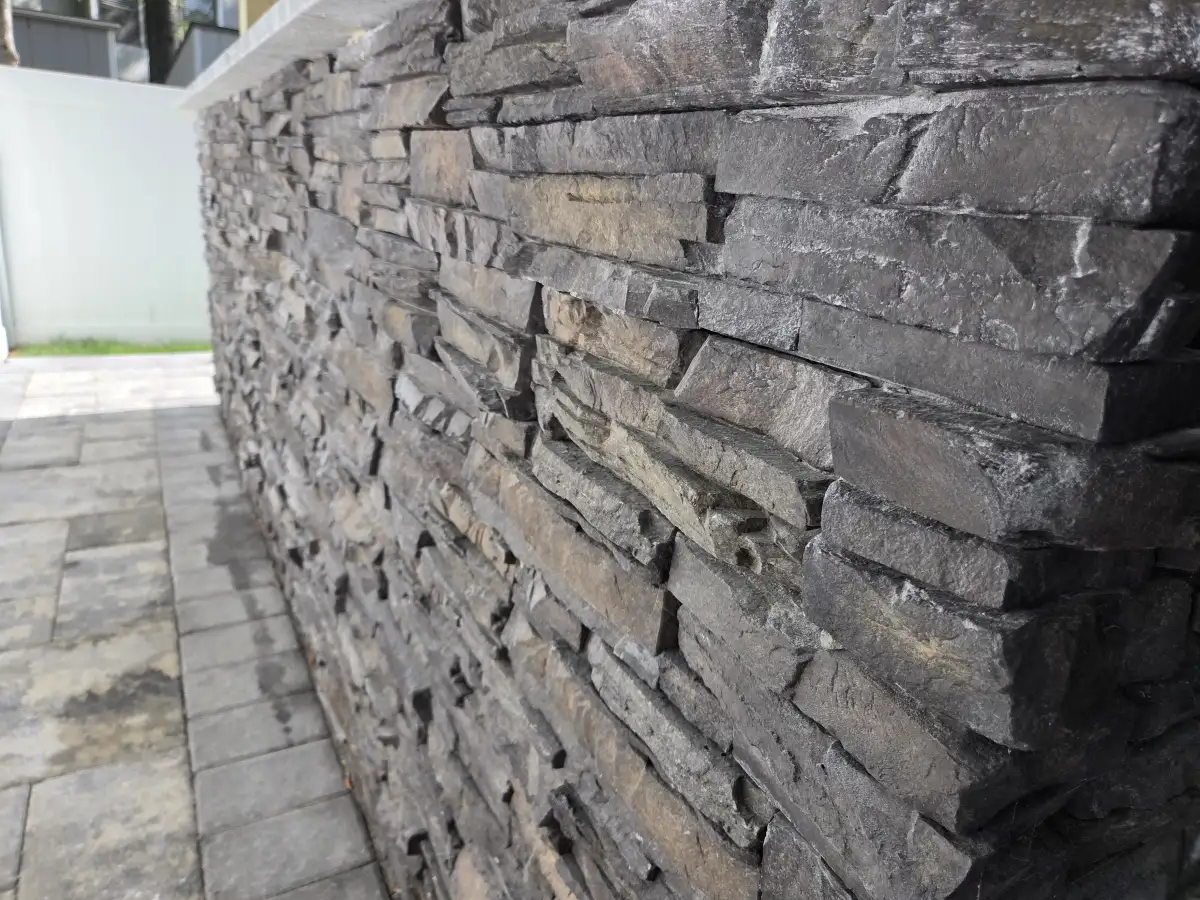
- Natural stone veneer — thin stone applied to outdoor kitchen structures, columns, and seat walls for a natural appearance over a concrete block core.

Hardscaping in Sandy Soil & Coastal Conditions
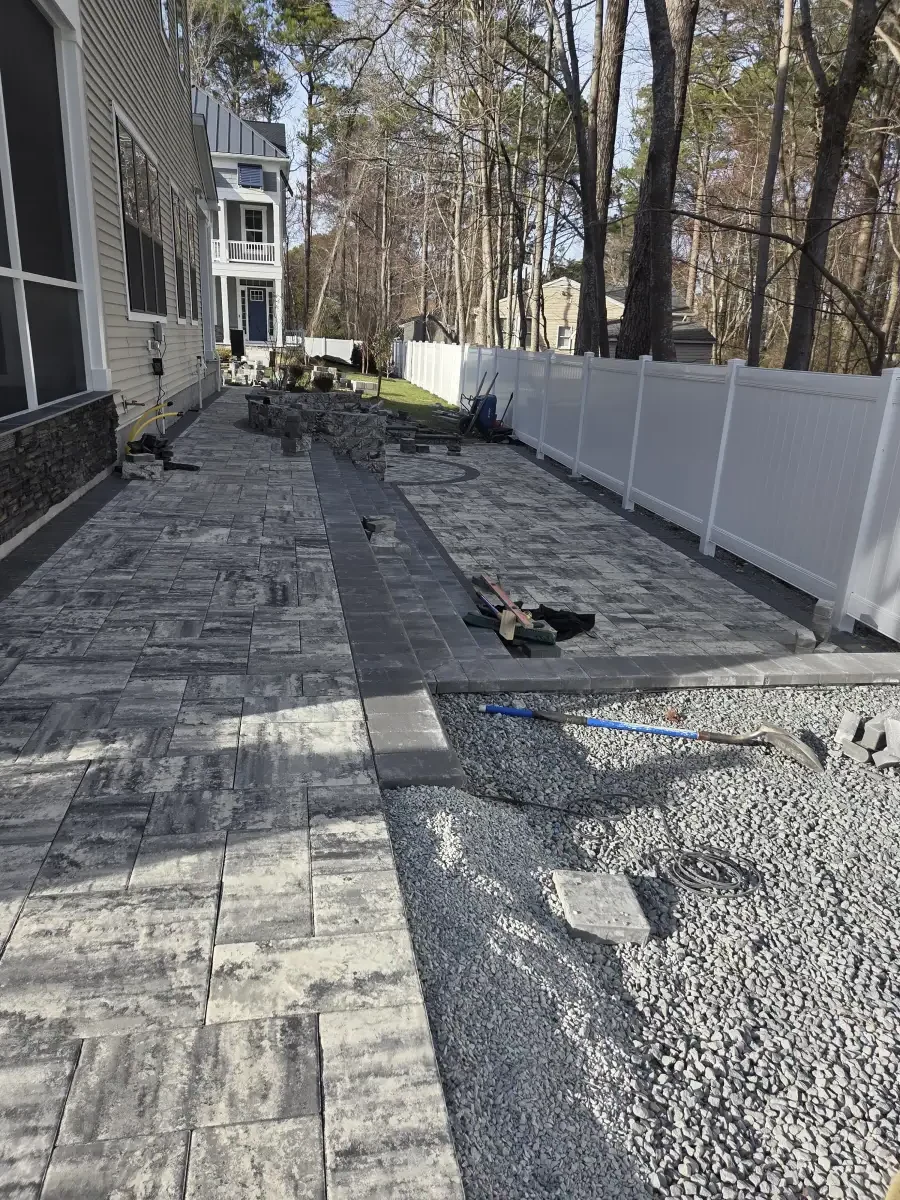
Sussex County's coastal environment creates specific challenges for hardscape construction. Sandy soil shifts more than clay, water tables sit closer to the surface, and salt air accelerates corrosion on exposed metal. A hardscape that works in Maryland's piedmont region will not perform the same way in Lewes or Bethany Beach without proper engineering.
- Base preparation in sandy soil — Sandy soil drains quickly, which is good, but it also shifts and settles unevenly. We excavate deeper and use compacted aggregate base layers (typically 6 to 8 inches for patios, more for driveways) to create a stable foundation that prevents settling and heaving.
- Drainage engineering — Even though sandy soil drains well, improper grading directs water toward your foundation. We pitch every patio and walkway to move water away from structures, and we install French drains or channel drains where needed.
- Freeze-thaw resistance — Delaware winters bring repeated freeze-thaw cycles. We select materials rated for freeze-thaw exposure and use polymeric sand in joints that resists washout from rain and thaw cycles.
- Salt air and corrosion — Stainless steel edge restraints, galvanized fasteners, and marine-rated adhesives prevent premature deterioration near the coast.
- Wind exposure — Elevated or exposed patios near the coast need consideration for wind loads on structures like pergolas, outdoor kitchen hoods, and fire feature chimneys.
The Value of Professional Hardscaping
Well-designed hardscaping adds lasting value to your property and transforms how you use your outdoor space.
Property Value
Hardscaping consistently delivers one of the highest returns on investment for exterior improvements. Quality patio and outdoor living construction can add 20% to 30% ROI to your property value, according to National Association of Realtors data. In Sussex County's competitive real estate market, a well-built outdoor environment is a genuine selling point — not just a nice-to-have.
Durability
Unlike wood decks that rot, warp, and require regular staining, properly installed hardscaping lasts 25 to 50 years with minimal maintenance. Concrete and brick pavers are rated for thousands of PSI of compressive strength. Natural stone ages gracefully. A paver patio installed today will still look good and function properly in 2050 if the base was built correctly.
Low Maintenance
Hardscaping requires far less ongoing maintenance than comparable wood or composite alternatives. No annual staining, no power washing every spring, no replacing warped boards. Occasional resealing of natural stone, refilling polymeric sand in joints, and removing weeds between pavers is the extent of most maintenance. You spend time enjoying your outdoor space, not maintaining it.
Our Hardscape Design & Build Process
Every hardscape project follows a structured process that keeps your build on schedule and built to last.
On-Site Consultation
We visit your property to discuss your goals, assess existing conditions, measure the space, and identify any challenges like drainage, access, or grade changes. This visit is free and comes with no obligation.
Design & Material Selection
We create a detailed plan showing layout, material choices, drainage solutions, and integration with existing structures. You see exactly what you are getting before any work begins, with clear pricing for every element.
Site Preparation
Proper base preparation is the single most important factor in hardscape longevity. We excavate to the correct depth, install geotextile fabric where needed, and compact aggregate base layers in lifts to create a stable, level foundation.
Construction & Finish
Our in-house crew installs materials, cuts borders, sets edge restraints, fills joints, and handles every finishing detail. We walk through the completed project with you and make sure everything meets your expectations before we leave.
Recent Hardscape Projects in Sussex County
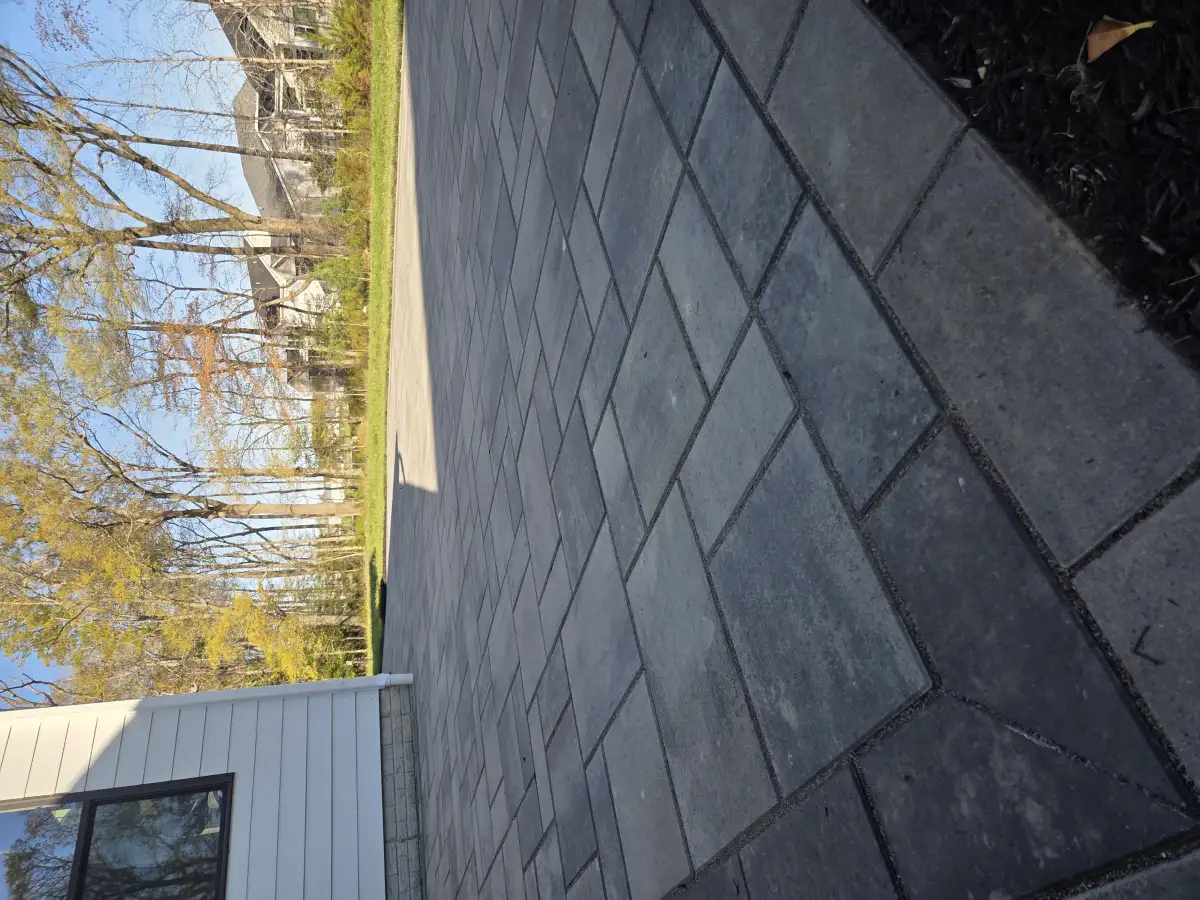
Browse patios, walls, walkways, and outdoor structures we have built across Lewes, Rehoboth Beach, Bethany Beach, and surrounding areas.



Frequently Asked Questions
Hardscaping costs in Sussex County vary by project type and materials. Paver patios typically run $30 to $40 per square foot installed, with a standard 20x20 patio costing $12,000 to $16,000. Retaining walls range from $40 to $80 per square face foot depending on height and material. Walkways run $25 to $45 per square foot. Outdoor kitchens start around $15,000 and go up based on size and appliances. We provide detailed, itemized estimates during your free consultation so you know exactly what each element costs.
Hardscaping is the built, non-living portion of an outdoor space — patios, walkways, walls, driveways, outdoor kitchens, fire pits, and other structures made from stone, pavers, concrete, or masonry. Landscaping is the living portion — plants, trees, shrubs, lawn, mulch, and soil. Both work together to create a complete outdoor environment, but hardscaping is typically installed first because it defines the structure and layout that landscaping is built around.
Yes. Professional hardscaping consistently ranks among the highest-ROI exterior improvements. According to industry data, quality patio and outdoor living construction can return 20% to 30% of the investment in increased property value. In Sussex County's real estate market, where outdoor living space is a major selling point, a well-designed patio, outdoor kitchen, or pool deck can make a property significantly more attractive to buyers. Beyond resale, hardscaping adds daily value by expanding your usable living space.
Timeline depends on project scope. A standard paver patio (300-500 square feet) typically takes 3 to 5 days from excavation to completion. Larger projects with retaining walls, multiple levels, or integrated features take 1 to 3 weeks. Complete outdoor living environments with a pool, patio, kitchen, and walls can take 4 to 8 weeks. We provide a detailed schedule during the design phase, and because our team works in-house, we control the timeline without waiting on subcontractors.
Hardscaping requires minimal maintenance compared to wood decks or composite alternatives. For paver patios and walkways, plan on occasional polymeric sand refilling in joints (every 2-3 years), weed removal from any gaps, and periodic sweeping or rinsing. Natural stone may benefit from sealing every 3-5 years depending on the material. Retaining walls need annual inspection for any signs of movement or drainage issues. Overall, hardscape maintenance takes a fraction of the time and cost of maintaining a comparable wood structure.
In some cases, yes. If the existing concrete slab is structurally sound, level, and drains properly, pavers can be installed over it using a thin sand bed or pedestal system. However, if the concrete is cracked, heaving, or poorly graded, it should be removed first. Installing pavers over a damaged slab transfers those problems to the new surface. We evaluate the existing concrete during your consultation and recommend the best approach for your specific situation.
Why Professional Hardscape Contractors Matter in Coastal Delaware
Hardscaping in Delaware — particularly in Sussex County's coastal communities — is not a project where cutting corners on expertise saves money in the long run. The difference between a patio that lasts 25 years and one that starts shifting in 3 seasons comes down to base preparation, drainage engineering, and material selection. These are decisions that require hands-on experience with the specific soil, water table, and weather conditions in this part of the state.
Sussex County sits on sandy, well-drained soil that behaves differently from the clay and loam found in New Castle County or neighboring Maryland counties. While good drainage sounds like an advantage, sand lacks the structural stability of denser soils. Without deeper excavation and properly compacted aggregate base layers, pavers installed on sandy ground settle unevenly, creating trip hazards and pooling water where the surface dips. A professional hardscape contractor in Delaware understands that the standard 4-inch base specified for inland projects needs to be 6 to 8 inches in our area, and sometimes more for driveways or areas that will support heavy loads.
The coastal climate adds another layer of complexity. Freeze-thaw cycles stress paver joints, and polymeric sand selection matters — cheaper formulations wash out after one winter of rain and thaw, leaving open joints where weeds take hold and ants build colonies. Salt air corrodes standard steel edge restraints within a few years, causing edges to fail and pavers to migrate. We use stainless steel and aluminum edge restraints rated for marine environments, and we specify polymeric sand that has been tested for freeze-thaw durability in mid-Atlantic conditions.
There is also the permitting and HOA landscape to navigate. Many of the communities where we build hardscaping — Lewes, Bethany Beach, Fenwick Island, and the planned developments in Millsboro and Milton — have architectural review boards or historic district guidelines that dictate material colors, fence heights, equipment screening, and setbacks. Submitting a design that does not account for these requirements wastes weeks in the review cycle. We review community guidelines before the first design sketch, not after.
When you choose a hardscape contractor with deep experience in Sussex County's specific conditions, you are paying for work that accounts for every factor that determines whether your investment lasts. Base depth, drainage pitch, material ratings, joint fill, edge restraints, permitting — these details are invisible after the project is complete, but they are the difference between a hardscape that performs for decades and one that requires repairs within a few years.
Hardscaping Service Areas in Sussex County
We provide hardscaping services throughout coastal Delaware — from beachfront communities to inland towns across Sussex County.
Let's Build Your Outdoor Space
Planning a patio, walkway, retaining wall, or complete outdoor living environment? Tell us about your project and we'll provide a detailed estimate and clear plan.