
This chapter turns common pool questions into a side-by-side proposal test, so homeowners can spot missing scope before making a commitment.
A useful pool proposal should make the project easier to understand. If two estimates cannot be compared line by line, the lower number may simply leave more work, risk, or future cost outside the quote.
For a pool installation in Lewes, Delaware, the pool itself is only one part of the decision. Access, excavation, grades, drainage, equipment, utilities, paved areas, safety requirements, approvals, and cleanup all shape the finished project. Ask the questions below before you book so each answer connects to a written responsibility.
Included in the price. Available as an option. Excluded or handled by the homeowner. If an item does not fit clearly into one column, ask for clarification in writing.
1. What exactly does the pool quote include?
Start with the complete construction scope, not a headline price. Ask whether the proposal covers design, excavation, soil removal or hauling, plumbing, electrical coordination, equipment, coping, paved areas, drainage, safety-barrier responsibilities, approvals, inspections, startup, cleanup, and restoration. Then ask which selections are fixed and which are allowances that may change.
This is also the point to identify homeowner responsibilities. A survey, HOA submission, fence, electrical upgrade, access preparation, utility relocation, or landscape repair can be important even when it is outside the contractor’s quote. A clear exclusion is easier to plan for than a responsibility discovered after work begins.
2. Which site conditions have been verified?
Lewes properties can present sandy soils, relatively flat grades, drainage concerns, storm exposure, and narrow access between homes. Those conditions do not create the same solution or cost on every lot. Ask what has actually been reviewed on your property: survey information, setbacks and easements, utilities, equipment access, excavation access, staging space, existing drainage paths, the relationship between the home and pool elevation, and the proposed equipment location.
Some conditions remain uncertain until excavation. The proposal should explain how an unexpected condition is documented, who evaluates the options, and how a change is approved before additional work proceeds. That process matters as much as the original estimate.
3. Does the plan cover the space around the water?
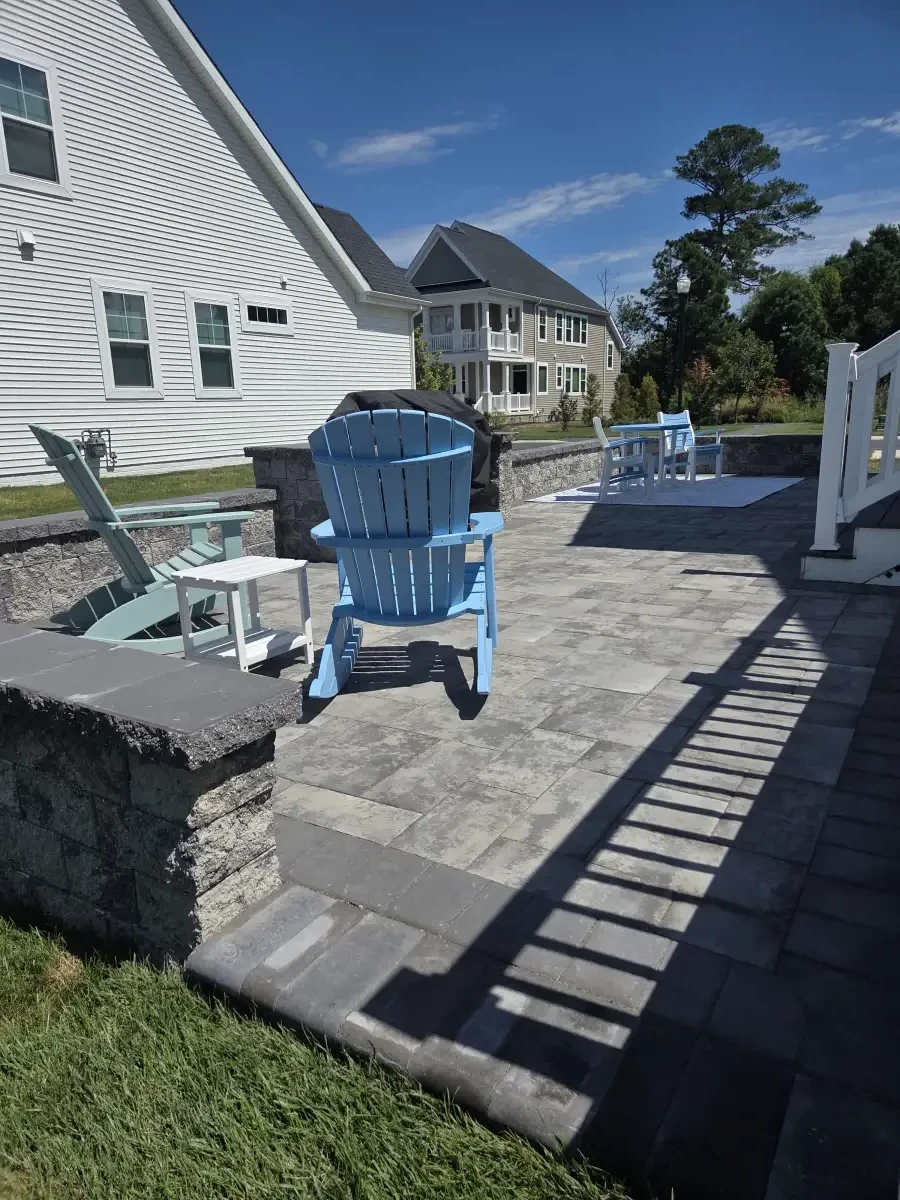
A pool drawing should show more than the shell. Review coping transitions, paver patio area, walking paths, furniture zones, gates, equipment access, outdoor lighting, and the route from the house. Ask where rainwater will move after it reaches the pool surround and how the finished grades relate to nearby doors, lawn, and neighboring property.
If you may later add an outdoor kitchen, shower enclosure, retaining wall, or expanded seating, include that future plan now. A coordinated outdoor living design can reserve useful space and reduce conflicts with utilities, drainage, or access after the first phase is complete.
4. Why is this pool and equipment package right for us?
Explain how you expect to use the pool: recreation, exercise, entertaining, relaxation, or a mix. Then ask how the recommended size, shape, depth, entry, finish, lighting, heating, cover, pump, filter, sanitizer, and controls respond to those priorities. A strong answer explains tradeoffs instead of treating every upgrade as automatically necessary.
Request model information and warranty documents for the equipment being proposed. Confirm where the equipment will sit, how sound and service access have been considered, and which components may require recurring care or eventual replacement.
5. What can change the price or schedule?
Online questions about the average cost of an inground pool—or whether a pool can be installed for $30,000—usually leave out the property and the surrounding work. Instead of using a broad number as the budget, ask what assumptions support the actual proposal and which decisions could change it. Pool type, size, access, excavation, utilities, equipment, finishes, patio area, drainage, approvals, hauling, and restoration can all affect scope.
Do the same with timing. Ask for a sequence with decision deadlines and dependencies: design completion, approvals, excavation, utilities, inspections, hardscaping, safety features, startup, and final site work. Weather and field conditions can affect construction, so confirm how updates will be shared and how homeowner-requested changes affect the schedule.
6. Who handles approvals, inspections, and changes?
Requirements depend on the property and the authority reviewing the work. Ask who determines the applicable approvals, prepares submissions, pays fees, responds to revisions, schedules inspections, and confirms that safety requirements are complete. If an HOA or community review applies, identify what the homeowner must provide and when.
The contract should also describe the change-order process. A change should identify the revised work, added or removed cost, schedule effect, and required approval before it proceeds. Verbal decisions are difficult to compare later.
7. What will pool ownership require after handoff?
Ask what startup, operating instruction, water-care guidance, manuals, final walkthrough, and warranty contacts are included. Review warranty terms by component; the pool structure or liner, finish, equipment, coping, pavers, lights, and controls may have different coverage, exclusions, maintenance requirements, and responsible parties.
Build ongoing needs into the ownership plan, including utilities, routine water care, seasonal opening and winterizing decisions, insurance questions, covers, filters or other replacement parts, repairs, and furniture or landscaping around the pool. Our guide to pool care and long-term ownership takes a closer look at those decisions.
Lewes Pool Installation FAQ
What should be included in a Lewes pool installation quote?
A useful quote identifies the pool system and equipment, excavation and hauling, utility coordination, coping and paved areas, drainage, safety-barrier responsibilities, approvals, inspections, startup, cleanup, restoration, allowances, exclusions, and the process for changes.
What is the average cost of installing an inground pool in Delaware?
An average cannot describe a specific Lewes property. Pool type, size, access, excavation conditions, equipment, utilities, patio area, drainage, safety features, approvals, hauling, and restoration can all change the final scope. Compare written inclusions and exclusions rather than relying on one statewide number.
Can I get an inground pool for $30,000?
Treat any advertised starting price as incomplete until the builder explains exactly what it covers on your property. Confirm whether excavation, hauling, equipment, utilities, coping, patio, drainage, approvals, safety barriers, cleanup, and restoration are included or separate.
Can I write off a pool on my taxes?
Tax treatment depends on the homeowner's circumstances and current tax rules. Do not assume a pool will create a deduction or build a project budget around one. Ask a qualified tax professional about your situation before making a financial decision.
How long does pool installation take in Lewes?
There is no single timeline for every property. Design decisions, approvals, access, excavation, utilities, inspections, weather, material availability, pool type, hardscaping, drainage, and safety features all affect the sequence. Ask for milestones, dependencies, and a clear update process.
Compare responsibilities before you compare totals
The best pre-booking question is simple: “Who is responsible for this?” Ask it about every part of the pool, site work, hardscape, approval process, handoff, and future care. When the answers are reflected in the drawings, specifications, and proposal, you can make a better comparison and begin with fewer unresolved assumptions.
Just Imagine manages larger custom pool, hardscape, and outdoor living projects from excavation through finishing details. Share your Lewes property and pool plans on the contact page to start a site-specific conversation, or call (302) 402-3659.
